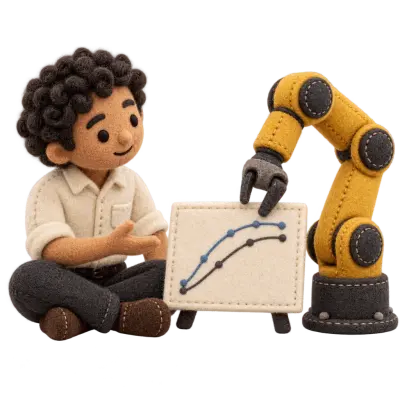
You bring the setup.
- The model and controller configuration you use today.
- Any existing logs, in the format you already use.
- An engineer who knows the hardware and can run any agreed tests.
We fit your robot’s simulated dynamics to hardware logs, then test the model on runs it hasn’t seen.
For robotics teams training policies in simulation. Now seeking our first pilot partners.
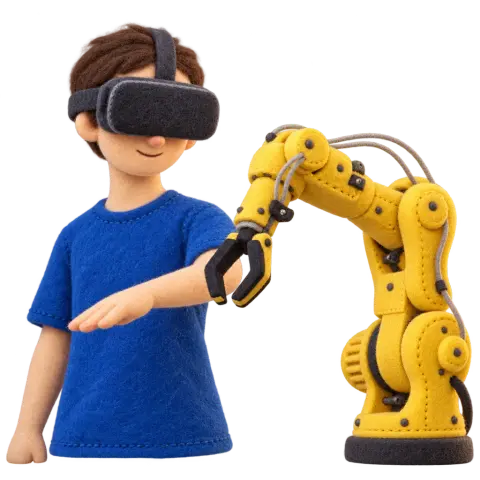
Your policy works in sim, but on hardware a joint lags, a reversal sticks, or a trajectory drifts. Before another training cycle, check how closely your model predicts the robot’s motion.
We replay hardware commands in simulation and fit dynamics such as friction, damping, and actuator delay. You get a measured comparison of the original and fitted models, so your team can decide what to change next.
A Gap Audit is Zagolo’s scoped robot dynamics calibration pilot for one robot and a repeatable joint-motion mismatch. We review your setup, then agree the parameters to investigate, robot time, delivery schedule, and fixed fee before work starts.
An updated model for your agreed simulator workflow, with the fitted dynamics parameters and a record of what changed.
Trajectory plots and per-joint errors for both models on the same held-out runs. Improvements, regressions, and remaining mismatch are all included.
An assessment of the remaining error, what the recordings can identify, and where the fitted dynamics may help policy transfer. You review the findings with the engineer doing the work.
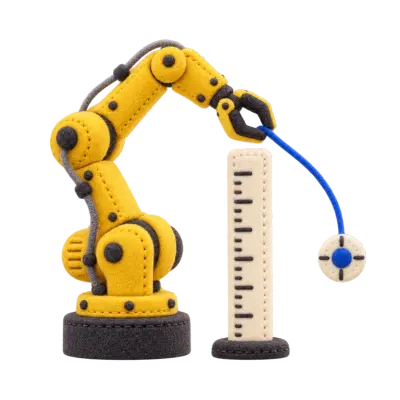
We measure your current model against hardware motion and agree how the comparison will be scored before fitting.
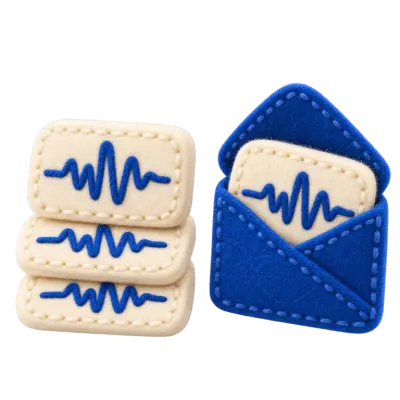
We set aside complete runs that won’t be used for fitting. Your team keeps the hardware configuration consistent across the comparison.
After fitting, we compare both models on the reserved runs using the same protocol and report every final test result.
Tell us your robot, simulator, and the motion that doesn’t match. You don’t need to prepare a data package before we talk.
We start by reviewing a sample in your existing format. No logs yet? We’ll work out what to capture with your engineer.
If new runs are needed, we prepare the recording script and walk your engineer through the signals and operating limits.
Your engineer operates the robot. We handle data review, parameter fitting, and the comparison on reserved test runs.
We review commands, joint response, timestamps, and robot configuration together. We agree what to capture before any new runs and help plan the calibration and test split. Keep existing logs as they are for the initial review.
Read the robot recording guide Download the technical referenceStart with one robot, an existing model, and a repeatable joint-motion mismatch. We review your embodiment and controller, then confirm whether an Isaac, MuJoCo, or Genesis workflow fits the pilot.
Yes. Start with a sample in the format you already use. We review the signals and timing, then explain what is usable and whether any new runs are needed. No need to reformat your logs before we talk.
We do not promise a preset reduction. These first pilots will establish what is achievable on real hardware. The report includes improvements, regressions, and unresolved error.
A closer dynamics fit may help, but it does not establish task success. Perception, contacts, and task design can still limit transfer. The audit evaluates motion prediction; a policy test on hardware is a separate experiment.
Your team supplies the hardware context; we take on the fitting and evaluation work. The pilot gives you a dedicated engineer, an updated model, and a measured comparison while your team continues its policy work.
Robot time, delivery schedule, scope, and a fixed fee are agreed in writing after we review your setup.
Robot logs are used only for calibration. We do not store them unless a signed written agreement explicitly covers storage. Before transferring confidential logs, we agree the transfer method, access, retention, and deletion arrangements.
No. A public case study, use of your team’s name, and release of recordings or models require a separate agreement with you.
Tell us your robot, simulator, and what moves differently on hardware. We’ll talk through your setup and work out the next step together.
No data package needed. A quick description is enough to start.